Strategic Fixture Alignments: Integrating Football Previews with Basketball Market Data to Optimize Accumulator Builds Through Initial Offers
Written by Jakob Hansen · Jun 25, 2026
Strategic Fixture Alignments: Integrating Football Previews with Basketball Market Data to Optimize Accumulator Builds Through Initial Offers
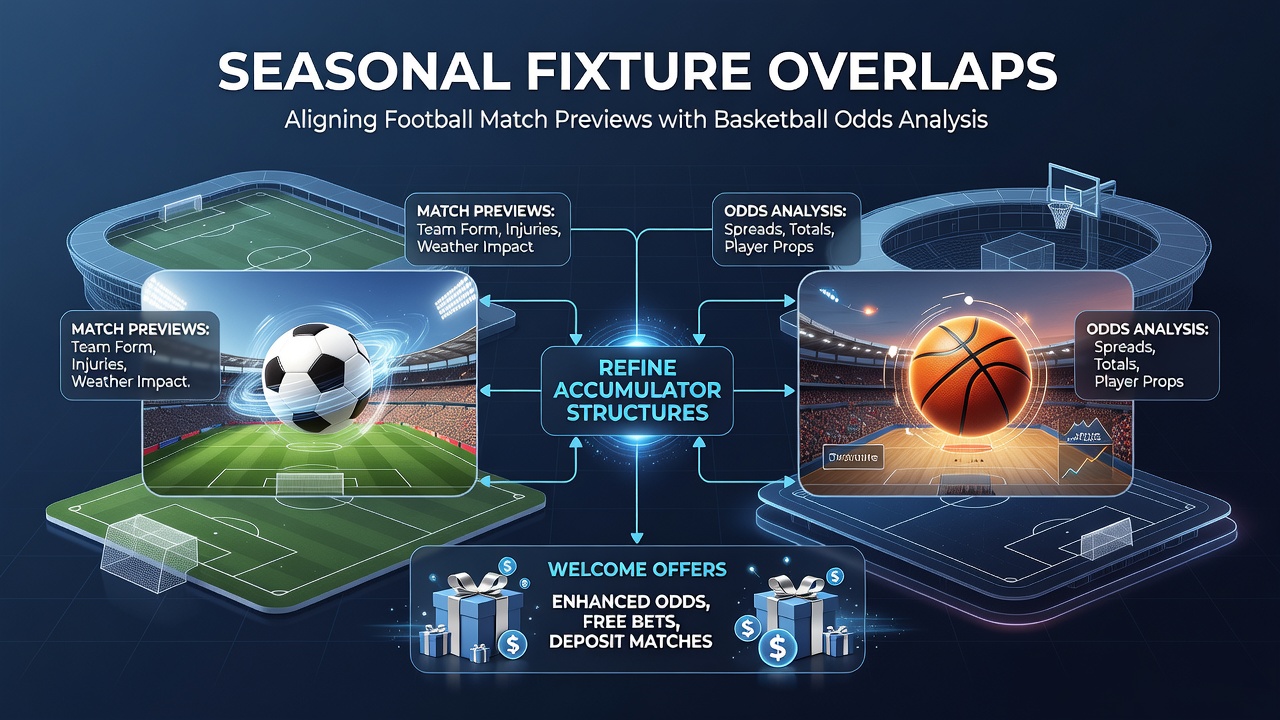
Seasonal calendars create natural windows where football and basketball schedules intersect, allowing analysts to cross-reference match previews against live odds movements in both sports, and those overlaps become particularly pronounced when leagues transition into summer breaks or playoff phases around June 2026. Observers note that European domestic campaigns wind down in May while several North American basketball conferences extend into early summer, creating brief periods when data from one sport can inform positioning in the other.
Calendar Patterns That Shape Cross-Sport Analysis
Football leagues in major European markets typically conclude fixtures by late May, whereas basketball schedules in the United States and parts of Asia stretch further into June, and this staggered timing means preview writers often compile historical performance metrics from football while simultaneously tracking basketball rotation changes and injury reports. Data from industry reports shows that accumulator builders who monitor these transitions can identify correlated trends, such as fatigue patterns in football squads carrying over into betting lines for basketball teams with similar travel demands. Researchers at academic institutions have documented how volume spikes in one sport coincide with quieter periods in another, producing opportunities to layer selections without overextending exposure during peak fixture congestion.
Preview Techniques That Feed Into Odds Evaluation
Match previews for football routinely incorporate expected goal models, set-piece conversion rates, and squad rotation signals, while basketball odds analysis emphasizes pace metrics, three-point variance, and back-to-back scheduling effects, and when these datasets are aligned during overlap windows, accumulators gain structural depth because each leg draws from independent yet temporally related information streams. Those who study market movements point out that welcome offers frequently reduce the initial capital requirement for testing such layered structures, allowing systematic comparison of football-derived probabilities against basketball-implied margins without immediate full-stake commitment. Figures from regulatory summaries in multiple jurisdictions indicate steady growth in multi-sport wagering volumes during these transitional months, driven partly by the availability of promotional incentives that offset early variance.
Refining Accumulator Structures With Bonus Mechanics
Welcome offers function as entry points that stretch bankroll duration across overlapping fixtures, and operators structure them to reward initial deposits with matched credit or free-bet tokens that apply across football and basketball markets. Analysts track how these incentives interact with accumulator payout structures, noting that cash-out options and partial stake returns become more relevant when one leg of a multi-sport bet settles early while remaining selections await later tip-offs. According to data compiled by the American Gaming Association, promotional uptake rises measurably when seasonal calendars create simultaneous availability of football and basketball events, suggesting participants use the added margin to adjust stake distribution rather than simply increasing total volume.
Practical Integration Steps Observed in Market Data
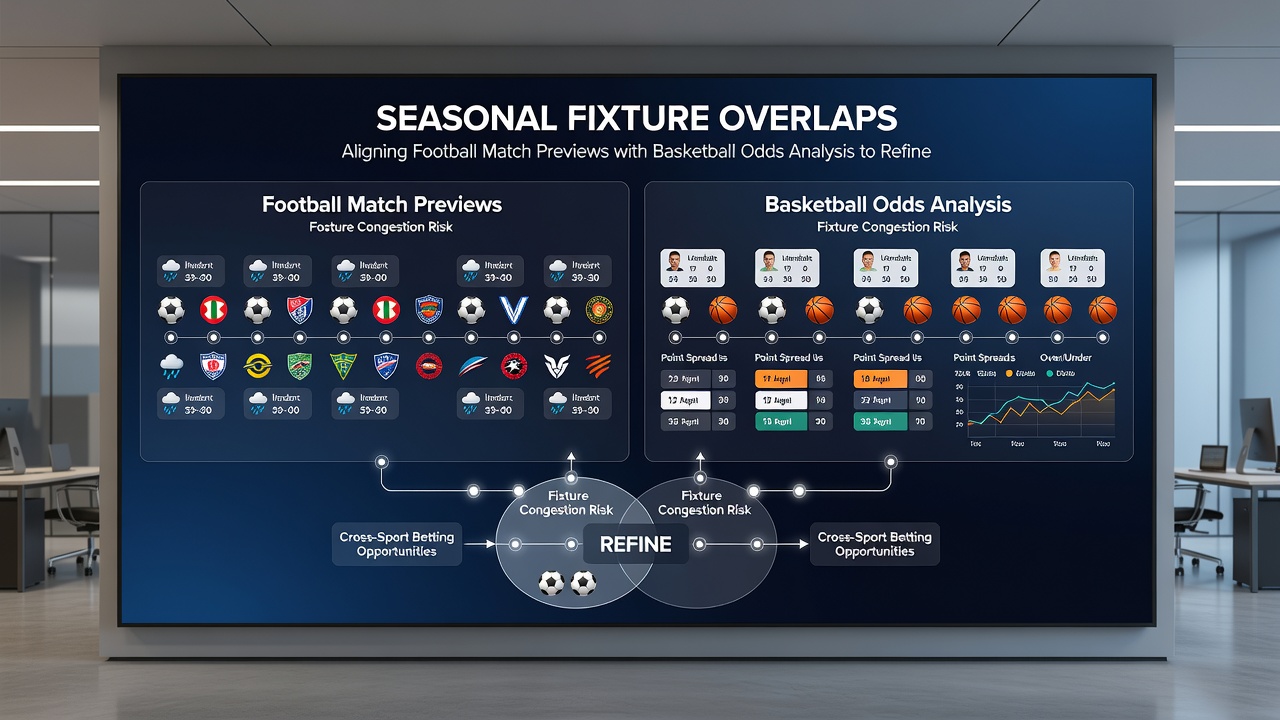
Market participants often begin by filtering football previews for fixtures that fall within the same 48-hour window as basketball games featuring elevated totals lines, then cross-check historical head-to-head results against current form indicators before finalizing accumulator legs, and this sequence repeats across multiple overlap periods each year. External studies from research bodies such as the American Gaming Association highlight how operators adjust bonus terms seasonally to align with these fixture clusters, thereby encouraging sustained engagement across both sports. In June 2026, several major basketball conferences reach their conclusion while football pre-season friendlies begin, producing another concentrated overlap that accumulator platforms accommodate through adjusted minimum stake thresholds on combined bets.
Regional Variations in Approach
Australian wagering operators, guided by oversight from bodies like the Northern Territory Racing Commission, apply similar seasonal logic when basketball seasons from the northern hemisphere overlap with local football codes, and this creates parallel data environments where preview models developed for one market transfer to another with minimal recalibration. European operators follow comparable patterns, though regulatory frameworks differ, leading to distinct bonus structures that still serve the same purpose of extending testing periods for multi-sport accumulators. Observers note consistent reporting of increased cross-sport ticket construction during these windows, supported by publicly available transaction summaries from various licensing authorities.
Conclusion
Seasonal fixture overlaps supply a recurring framework for aligning football previews with basketball odds analysis, and welcome offers provide the practical mechanism that lets accumulator structures incorporate data from both sports within manageable risk parameters. As calendars continue to produce these intersections each year, including around June 2026, the integration process remains driven by measurable market activity and documented promotional uptake across regions.