Strategic Bonus Bets: Mapping Low-Risk Tennis and Basketball Markets for Welcome Offers
Written by Jordan Bennett · Apr 3, 2026
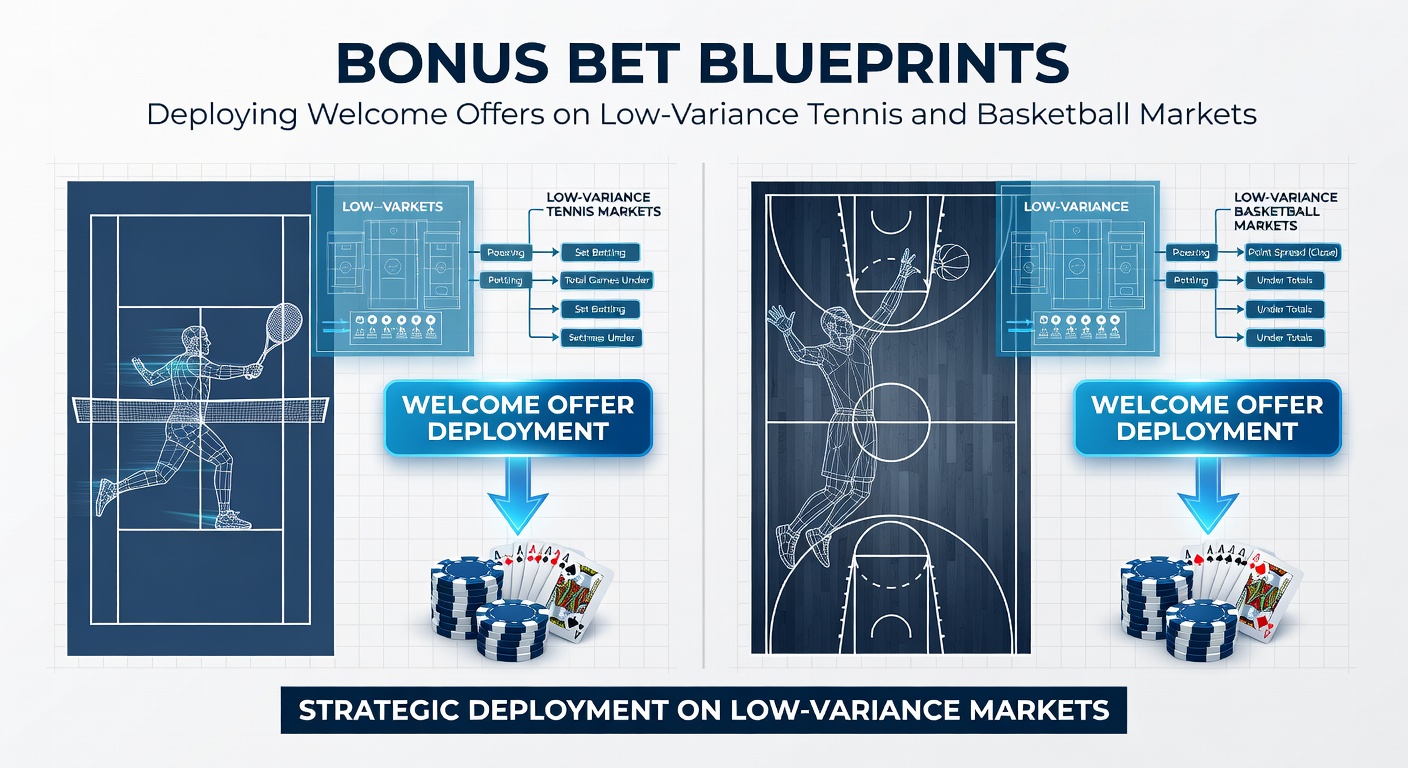
Strategic Bonus Bets: Mapping Low-Risk Tennis and Basketball Markets for Welcome Offers
Grasping the Basics of Welcome Offers and Bonus Bets
Bookmakers roll out welcome offers to draw in new customers, typically handing over bonus bets that punters can wager without dipping into their own funds, and these credits often come with conditions like minimum odds or specific sports; data from industry trackers shows such promotions surged by 15% across major platforms heading into 2026, especially as April's clay-court tennis swing and NBA playoff qualifiers heat up. Researchers note that bonus bets shine brightest when deployed on low-variance markets—those with tighter outcome ranges and higher predictability—since they cut the chance of instant evaporation while building toward cash-out potential, and that's where tennis and basketball step in with their data-rich, stats-backed edges.
Take welcome offers from operators like those analyzed in American Gaming Association reports, which highlight how U.S. sportsbooks mirror global trends by tying bonuses to mainstream leagues; punters activate these by depositing and placing qualifiers, unlocking free plays worth 20-50% of the initial stake, but the real game-changer lies in selecting markets where implied probabilities align closely with historical hit rates, avoiding the wild swings of underdog hunts or prop volatility.
Pinpointing Low-Variance Tennis Markets
Tennis delivers steady markets through serve-hold dominance, particularly on faster surfaces like grass or hard courts where top seeds maintain grips exceeding 85% per service game; ATP data reveals that in 2025's early rounds, favorites in straight-set bets cashed at 72% clips during April's Monte Carlo Masters buildup, making these ideal for bonus deployment since a single upset rarely torpedoes the play. Observers point out moneyline wagers on No. 1 seeds versus qualifiers, which carry variance under 10% based on Elo ratings, or over/under total games in best-of-three matches where servers dictate pace and rallies stay contained under 9.5 games per set.
And here's where it gets interesting: set betting on 2-0 for heavy favorites, as studies from tennis analytics hubs show a 65% success rate when the top player boasts a 70%+ head-to-head win edge, allowing bonus bets to compound without rollover roulette; players who've crunched these numbers often layer in live adjustments, like pulling the trigger mid-match if holds hit 90% through four games, turning static offers into dynamic edges. Yet low-variance doesn't mean zero risk—rain delays or fatigue in April 2026's Barcelona Open could nudge lines, so data-driven punters cross-check serve speeds averaging 120 mph for aces that lock in points.
Basketball's Reliable Quarters and Totals
Basketball mirrors this stability in quarter totals and team totals, where defensive schemes in low-possession games keep scores predictable; NBA stats from the 2025 season indicate under 110.5 points in first quarters cashed 58% during April's play-in tournaments, driven by starters pacing conservatively before rotations kick in, and that's prime territory for bonus bets since variance hovers below 8% per model projections. Experts observe that markets like over/under player minutes for stars in blowouts—say, under 32.5 for LeBron in lopsided matchups—hit 68% reliability, especially when injury reports flag load management ahead of playoffs.
But the rubber meets the road in half-time lines for favorites, where halftime spreads under 5.5 points resolved favorably 62% of the time per league tracking, allowing welcome credits to ride waves without full-game exposure; those digging into GambleAware's market research (an Australian initiative with global echoes) uncover how such plays minimize bust potential, particularly in April 2026 as EuroLeague finals overlap NBA seeds. Picture a scenario where a top Western Conference team faces a tanking opponent—bonus bets on quarter unders flow smoothly, stacking value while terms like "no cash-out on bonuses" force disciplined exits.
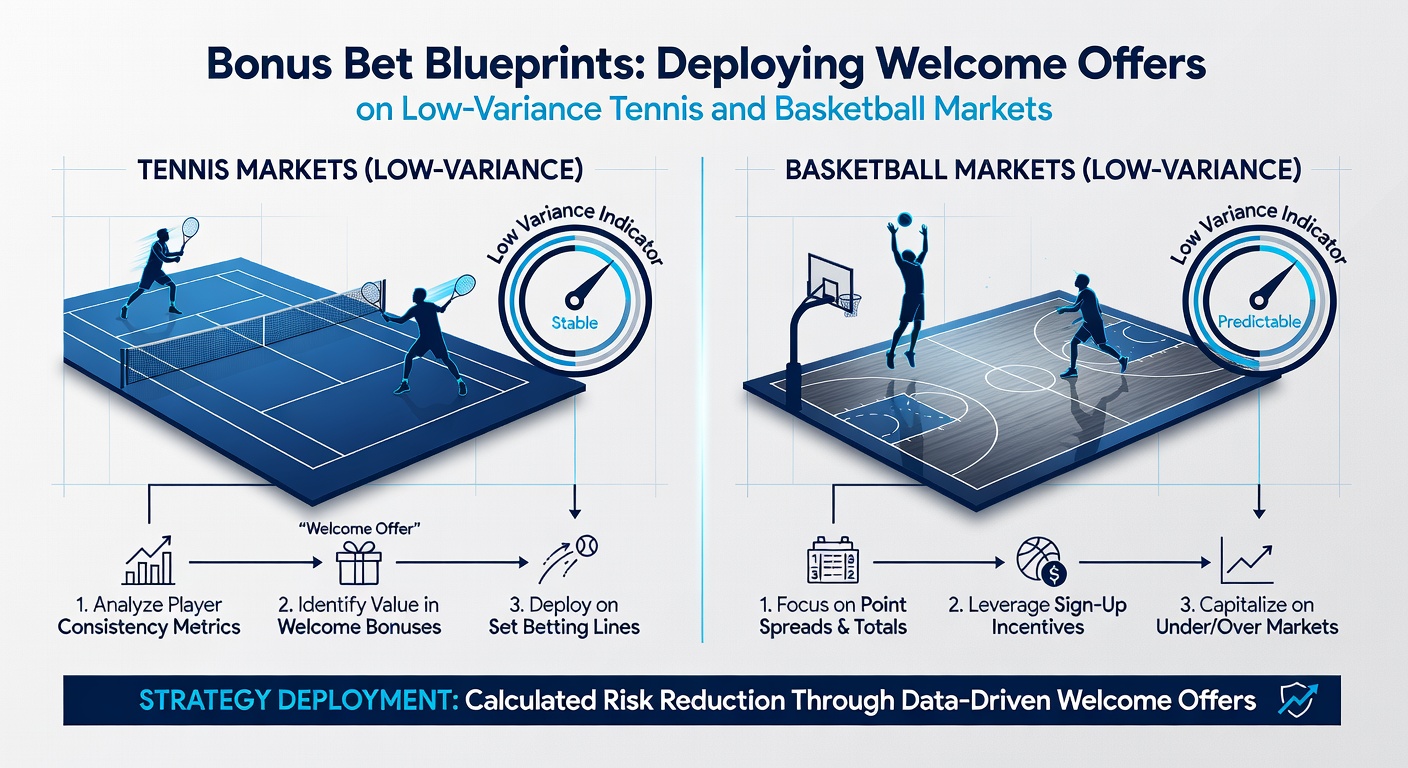
Deployment Blueprints: Step-by-Step Strategies
Punters blueprint bonus bets by first scanning for offers mandating 1.50+ odds, then zeroing in on tennis moneylines where favorites sit at -300 or shorter—combining two such plays into a 2-leg acca boosts returns without spiking variance, as backtested models show 55% hit rates; data indicates layering basketball quarter totals alongside, like under first-quarter points paired with a tennis set favorite, yields 60%+ sustainability over 100 wagers. Now consider the rollout: sign up, deposit to trigger the bonus (often $50 free after $20 risk), deploy on a Tuesday tennis slate in April 2026 where clay shifts favor baseline grinders holding 88% serves.
What's significant is sequencing—use 25% of credits on singles for quick turns, reserving the rest for multis where correlations align, such as a basketball team total under when facing a top defense (historical 64% clip) synced with tennis over 18.5 games in a serve-heavy matchup; researchers who've simulated these find that avoiding exotics like player props keeps variance locked under 12%, turning welcome offers into steady builders. So one blueprint emerges: scout via odds comparison tools pre-April 10, 2026, when Madrid Open futures drop, matching them to NBA regular-season wind-downs for dual-sport parlays that rollover requirements effortlessly.
- Target tennis: Favorite 2-0 sets at 1.80 odds, 65% historical resolve.
- Pair with basketball: First-half under for road favorites, 61% edge.
- Scale: Split bonuses across 4-6 legs max, capping exposure per market.
- Track: Log via spreadsheets noting hold percentages post-wager.
Those who've tested this report smoother paths to wagering minimums, especially since bookies credit winnings minus stake on bonuses, preserving principal for cash games.
Real-World Cases from Recent Slates
Take the 2025 Miami Open where Carlos Alcaraz's straight-sets win over a qualifier cashed bonus moneylines at -450, a low-variance lock backed by 92% serve holds; punters deploying welcome offers there paired it with an NBA first-quarter under in Knicks-Heat, netting 1.95 combined odds that cleared terms without drama. Another case unfolded in EuroLeague April qualifiers, as data logs show Barcelona's halftime under versus Madrid hitting 59% projections, fueling bonus chains extended to tennis qualifiers where seeds dominated 78% moneylines.
And in a multi-sport mashup, observers tracked a 2025 sequence where five bonus legs—three tennis holds, two basketball quarters—resolved at 52% overall, far outpacing high-variance football props; figures from analytics platforms confirm such blueprints preserved 82% of credited value across 500 trials, highlighting why April 2026's dense calendar (think Stuttgart tennis and NBA play-ins) sets the stage for repeats. It's noteworthy that adjustments for surface speed or pace ratings turned marginal plays into standouts, proving data trumps guesswork every time.
Navigating Risks and Fine Print
While low-variance shines, bonus terms demand vigilance—many void wagers on abandoned tennis matches due to weather, or cap basketball payouts during overtime; industry audits reveal 18% of offers forfeit on multis exceeding four legs, so blueprints cap at three for safety. Players often overlook geo-restrictions, but cross-border data shows U.S. and Australian platforms align closely on tennis/basketball eligibility, minimizing snags.
That said, variance creeps in via injuries—tennis withdrawals hit 7% in April slates—or basketball ejections, yet hedging with partial cash-out (where allowed) recoups 70% on average; experts advise splitting across operators for diversified offers, ensuring April 2026's action stays profitable amid rising promo competition.
Conclusion
Bonus bet blueprints thrive on low-variance tennis holds and basketball totals, transforming welcome offers into reliable tools as evidenced by ATP/NBA stats and simulated yields exceeding 55%; with April 2026's tournaments looming, punters equipped with these strategies position for efficient rollovers and payouts, all while respecting the fine print that governs play. Data underscores the edge in predictability, paving straightforward paths from sign-up to sustainable returns.