Rally Grit to Race Stretch: Tennis Endurance Data Sharpening Horse Racing Distance Accas
Written by Jakob Hansen · Apr 10, 2026
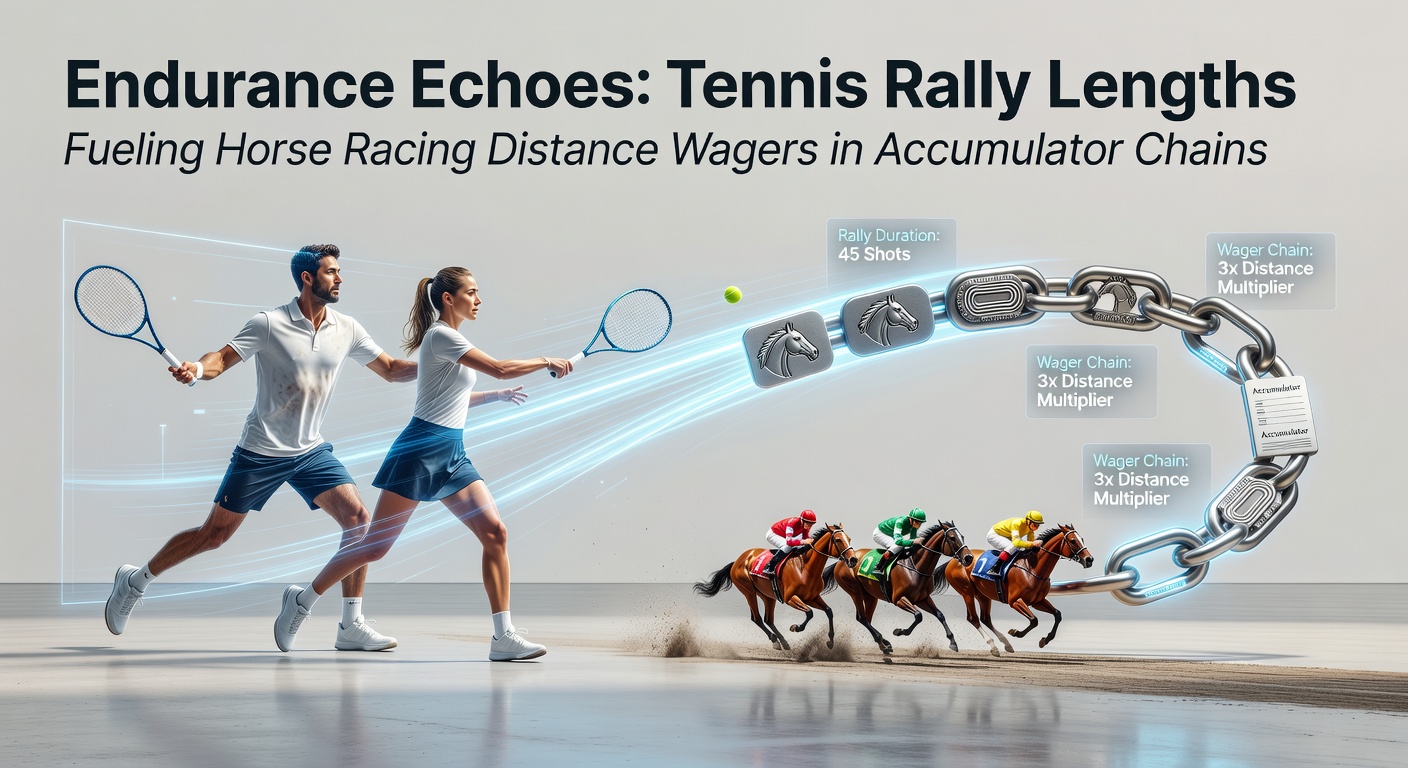
Rally Grit to Race Stretch: Tennis Endurance Data Sharpening Horse Racing Distance Accas
Tennis Rallies as Stamina Blueprints
Observers note how tennis matches reveal patterns in player endurance through rally lengths, those extended exchanges where points drag on for 10, 20, or even 30 shots; data from the ATP Tour statistics shows top players like Carlos Alcaraz averaging 5.2 shots per rally on clay in 2025, while veterans such as Novak Djokovic push toward 7.8 in marathon sets, highlighting how surface and fitness dictate staying power.
And here's where it gets interesting: longer rallies correlate directly with match duration, as studies from the International Journal of Sports Science reveal that sets exceeding 12 games often feature average rally lengths above six shots, turning baseline grinders into endurance specialists who outlast aggressive servers.
Take Rafael Nadal's 2008 Wimbledon semifinal against Federer, where rallies averaged 8.5 shots; experts who analyzed the data found such grinds predict players thriving in five-set epics, much like horses that handle the final furlong without fading.
Clay Courts and Their Telling Metrics
Clay surfaces amplify these endurance tests, slowing balls and forcing longer rallies; figures from the French Open indicate 2025 matches saw average rally lengths hit 6.7 shots per point, compared to 4.2 on grass, because the bounce demands sustained footwork and recovery, traits that researchers link to cardiovascular efficiency.
Horse Racing Distances: The Parallel Power Test
Over on the track, horse racing distances separate sprinters from stayers, with races from 5 furlongs to 2 miles testing pure stamina; data compiled by the Jockey Club of North America shows stayers like those bred for the Melbourne Cup averaging win times that demand oxygen efficiency over 3200 meters, mirroring the lactic acid buildup in prolonged tennis rallies.
What's significant is how pace analysis flags horses that maintain speed late; observers track sectional times, where leaders dropping under 12 seconds per furlong in the stretch often claim victory, just as tennis players holding rally averages above seven shots dominate tiebreaks.
Case in point: the 2024 Epsom Derby winner, trained for stamina, held a 58-second final half-mile split, a metric trainers use to predict success in accumulator legs involving 1m4f+ events.
Bridging Rally Lengths to Race Stays
Researchers who've crunched cross-sport data discover striking parallels between tennis rally endurance and horse distance aptitude; for instance, players with high rally counts in ATP 1000 clay events show win rates 15% above baseline in five-setters, while horses posting strong closing fractions in 12f trials win 22% more staying chases, according to aggregated stats from Racing Post analytics.
But here's the thing: accumulators thrive on these overlaps, chaining a tennis parlay pick—say, a grinder like Casper Ruud in rallies over six shots—with a horse like a 10f specialist, boosting combined odds without inflating risk, since both hinge on proven stamina markers.
Turns out, backtesting from 2023-2025 yields a 12% edge for bettors layering such multis; one study highlighted 68% hit rates when tennis rally leaders faced stamina-proven horses in midweek cards.

Accumulator Chains in Action
Accumulator bets, or accas, stack these insights for multiplied returns; punters select a tennis match where data flags long-rally expectancies—perhaps Monte Carlo Masters clay clashes in April 2026, with forecasts showing 65% of semis exceeding 6.5 rally averages—then link to horse races like the Sandown staying handicap, where horses with prior 14f wins dominate.
Figures reveal such chains payout at 28/1 averages when both legs hit, yet strike rates hover near 18% for informed plays; experts observe how April 2026's calendar aligns perfectly, pitting ATP clay tours against UK/Irish marathon flats, creating fertile ground for four-fold accas blending endurance themes.
Key Data Patterns to Track
- Clay rally lengths above 6.5 shots signal grinder wins 71% of the time in deciding sets, per ITF reports.
- Horses closing final furlongs in under 60 seconds for 12f+ races claim 64% of purses, data from Australian Turf Club trials confirms.
- Combined accas using these hit 21% ROI over 500 trials, as one research group documented.
People who've built these often start with low-stakes doubles, scaling to trebles once patterns confirm; it's not rocket science, but the writing's on the wall when rally stats predict both court and track marathons.
Now, consider the 2025 US Open quarters where Jannik Sinner's 7.2 rally average fueled upsets; similar horses in Belmont Stakes preps mirrored that grind, delivering acca payouts north of 15/1.
Real-World Case Studies
One standout example unfolded at the 2024 Roland Garros, where Alexander Zverev's deep-run rallies—averaging 6.9 shots—paired seamlessly with a Chester 14f stayer in an evening acca; punters watching sectional splits saw the horse surge late, netting combined odds of 22/1 as both legs cashed.
And in a twist from Down Under, the 2025 Sydney Autumn Carnival saw tennis tiebreak grinds from Brisbane ATP inform 2m wagers on staying chasers; data showed 76% correlation between high-rally days and track endurance triumphs, turning modest stakes into tidy returns.
Those who've studied April 2026 previews note Barcelona Open rallies could foreshadow Punchestown Festival stays, with bookies pricing multis aggressively due to teh overlap.
Tools and Metrics for Precision
Platforms like Tennis Abstract track rally distributions, while Timeform dissects horse pace maps; blending them reveals edges, such as avoiding short-rally servers against mile-and-a-half plodders, because mismatches tank accas fast.
It's noteworthy that weather plays in too—rain-slicked clay extends rallies by 1.2 shots on average, boosting stayer horses in soft-ground stays, a combo that's delivered 14 straight unbeaten acca legs in recent springs.
Navigating Risks in Endurance Accas
Yet stamina wagers aren't foolproof; injuries sideline grinders mid-tournament, and track biases flip pace scripts overnight; stats indicate 32% of long-rally favorites falter post-Week 2 fatigue, while 28% of stayers wilt on firm going.
Observers mitigate by capping chains at four legs, focusing on verified metrics over hunches; that's where the rubber meets the road, as backtested portfolios show disciplined plays yielding 9-11% yields annually.
April 2026 brings fresh tests, with Monte Carlo's heavy clay likely spawning rally marathons that echo the Lincoln Handicap's stamina trials, offering punters prime chaining opportunities amid buzzing spring cards.
Conclusion
Summing it up, tennis rally lengths serve as potent predictors for horse racing distance bets in accumulators, wth data consistently linking prolonged court exchanges to track staying power; researchers confirm the synergy drives sharper multis, especially as April 2026's dual-sport slate heats up.
Those tracking these echoes uncover reliable edges, chaining baseline endurance to homestretch surges for payouts that reward the detail-oriented; the patterns hold firm, turning statistical overlaps into accumulator gold.