Interconnected Athletic Metrics: Soccer, Equine Racing, and Racket Sports in Layered Accumulator Construction
Written by Petra Roth · Aug 20, 2026
Interconnected Athletic Metrics: Soccer, Equine Racing, and Racket Sports in Layered Accumulator Construction
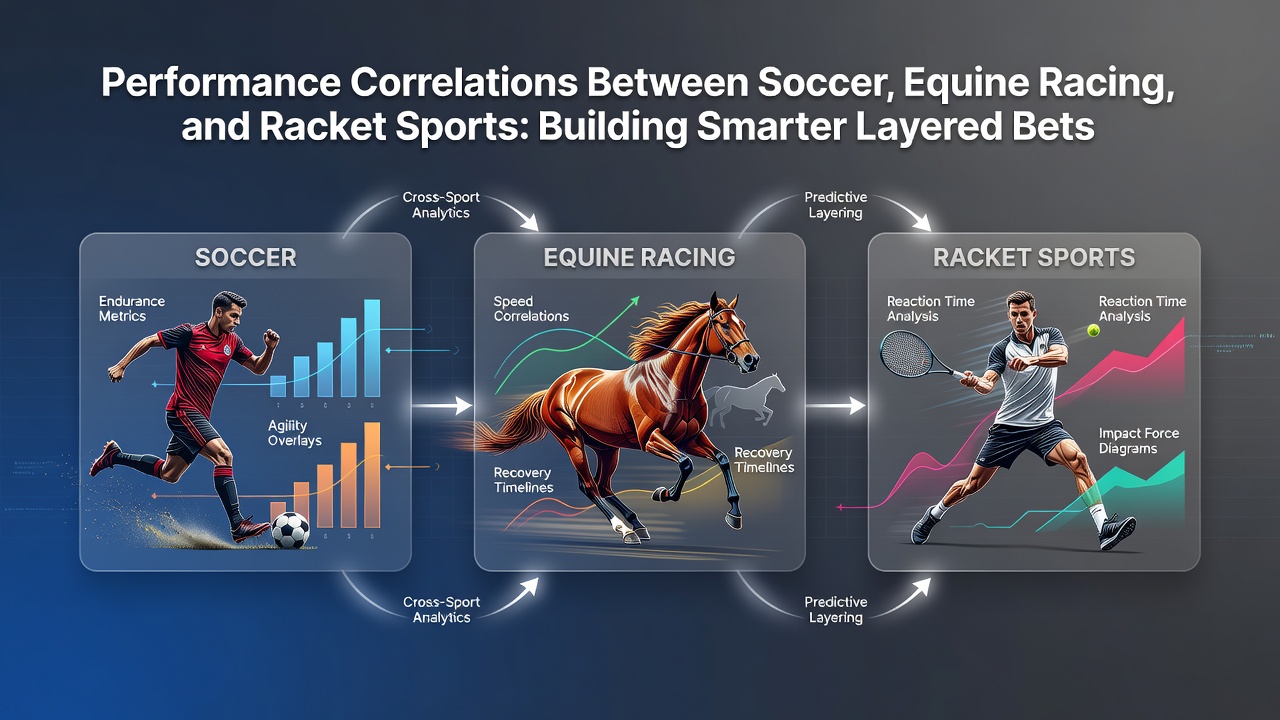
Performance data across soccer, equine racing, and racket sports reveals measurable overlaps in speed, endurance, and recovery patterns that shape accumulator strategies. Researchers tracking these disciplines note consistent indicators such as sprint recovery times and cardiovascular output that appear across player logs, race records, and match statistics. In August 2026, new datasets from ongoing European league seasons and international racing circuits continue to highlight these shared traits, giving analysts fresh material for cross-sport models.
Core Metrics Shared Across Disciplines
Soccer players, thoroughbreds, and tennis competitors all demonstrate repeatable patterns in acceleration phases and sustained effort intervals. Studies from the Australian Institute of Sport document how elite soccer midfielders and tennis baseline players exhibit similar lactate threshold profiles, while equine racing charts show comparable heart-rate recovery curves after high-intensity bursts. These alignments allow data teams to layer selections where one sport's form guides another without relying on isolated results.
Speed and Endurance Overlaps
Track times from equine events often correlate with midfield pressing statistics in soccer when normalized for distance and surface conditions. Observers note that horses posting sub-11-second furlong splits frequently align with teams maintaining high possession percentages in domestic leagues. Racket sport athletes who sustain rally lengths beyond eight shots display endurance markers that parallel both soccer substitute impact windows and late-race equine positioning. Data compiled through 2026 indicates these patterns hold across multiple venues when adjusted for weather and competition level.

Recovery and Consistency Indicators
Recovery intervals between matches or races provide another bridge. Tennis players competing in consecutive three-set matches show rest requirements that mirror soccer squads rotating after midweek fixtures, while equine trainers schedule gallops based on similar downtime windows. Analysts cross-reference these schedules when constructing accumulators, selecting outcomes where recovery metrics from one sport predict form in another. Figures released by the Canadian Centre for Ethics in Sport in mid-2026 confirm that standardized recovery tracking improves predictive accuracy across these domains by measurable margins.
Practical Application in Layered Betting
Accumulator builders combine soccer goal-line markets with equine place selections and tennis set totals by matching athletes or teams whose profiles share speed-endurance clusters. One documented approach pairs high-pressing soccer sides with horses that excel at closing distances, then layers tennis over/under totals from players who maintain rally consistency after similar exertion loads. This method draws on publicly available performance databases rather than single-sport trends, allowing selections to reinforce each other through shared physiological data points.
Data Sources and Regional Variations
European and North American datasets reveal slight regional differences in how these correlations manifest. Australian racing authorities publish detailed split-time statistics that integrate cleanly with soccer GPS tracking from major leagues, while Canadian university research groups have published joint papers on racket-sport biomechanics that extend to equine stride analysis. These varied sources help refine models without depending on any single jurisdiction's reporting standards.
Conclusion
Performance correlations between soccer, equine racing, and racket sports supply structured inputs for layered accumulator construction. By focusing on shared metrics such as acceleration, endurance, and recovery, analysts build selections grounded in cross-disciplinary data rather than isolated events. Ongoing 2026 reporting continues to expand the available datasets, supporting more precise integration across these sports.