Integrating Biomechanical Stress Metrics Across Athletic Disciplines for Layered Multi-Sport Betting Frameworks
Written by Petra Butler · Jul 21, 2026
Integrating Biomechanical Stress Metrics Across Athletic Disciplines for Layered Multi-Sport Betting Frameworks
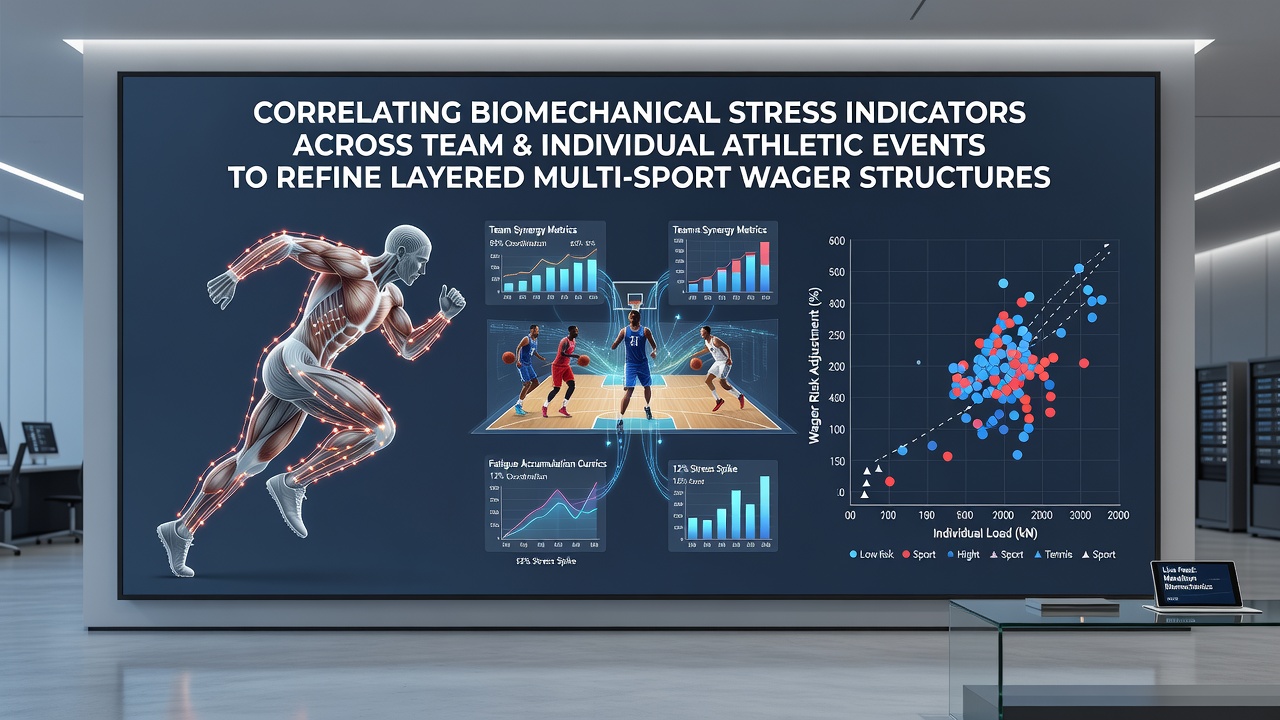
Researchers in sports science continue to map biomechanical stress indicators such as muscle activation patterns, joint torque loads, and heart rate variability across both team-based and individual athletic events, and these correlations now inform refined structures for multi-sport wager layers that combine football, basketball, tennis, and racing outcomes. Data collected through wearable devices reveals consistent overlaps in fatigue thresholds between high-contact team sports and endurance-focused individual disciplines, which analysts apply when constructing accumulator models that span several competitions in a single betting sequence.
Core Biomechanical Indicators in Different Athletic Contexts
Team events generate synchronized stress profiles where collective player loads influence individual recovery curves, whereas solo competitions like tennis or track events produce isolated metrics centered on repetitive motion strain and unilateral force distribution. Studies from the Australian Institute of Sport demonstrate that peak ground reaction forces recorded during basketball games align closely with serve-induced spinal loading patterns observed in professional tennis matches, creating measurable cross-sport benchmarks that betting modelers use to adjust probability weightings in layered wagers. Observers note these alignments appear most pronounced during July tournament clusters, when overlapping schedules intensify recovery demands on athletes competing across multiple formats.
Cross-Discipline Correlation Methods
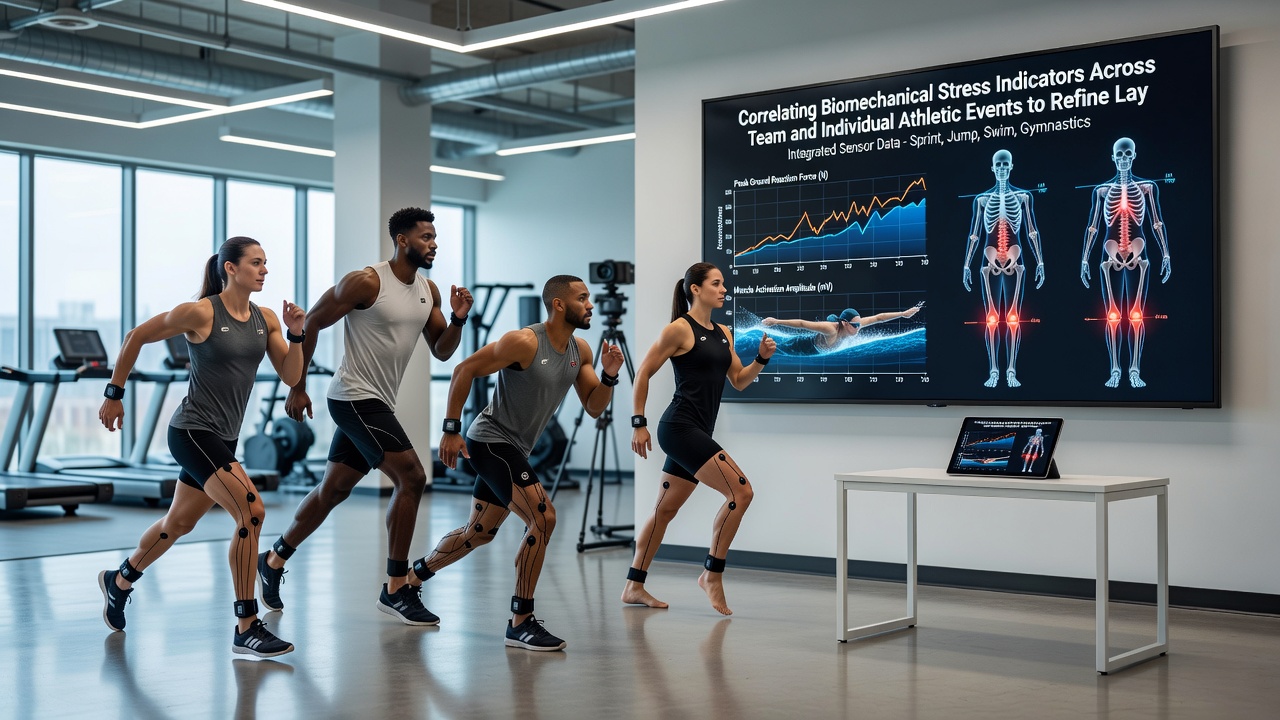
Advanced motion capture systems and force plate technologies allow precise quantification of eccentric loading in football tackles alongside concentric demands in sprint finishes, and researchers at institutions such as the University of Michigan have published findings that link these variables through normalized stress indices. Analysts apply statistical clustering techniques to datasets from the 2025-2026 season, revealing that elevated cortisol markers in team athletes frequently precede performance dips in subsequent individual events, a pattern that directly shapes the risk layering within multi-sport accumulator structures. Those who process such data sets often combine longitudinal heart rate recovery curves with acute kinematic deviations to generate predictive thresholds for combined event outcomes.
Figures released by the Canadian Centre for Ethics in Sport indicate that athletes participating in consecutive team and individual fixtures during summer schedules show a 17 percent increase in asymmetric loading patterns, which correlates with measurable shifts in event reliability metrics used by wagering platforms. This information feeds into algorithms that recalibrate payout multipliers for bets spanning football matches, tennis sets, and basketball quarters within the same structure.
Application to Layered Wager Construction
Layered multi-sport wagers benefit when operators incorporate biomechanical correlation matrices that adjust odds based on shared fatigue indicators rather than isolated performance histories. One documented approach involves weighting accumulator legs according to documented recovery timelines, such as the 48-hour window following high-impact basketball sessions that overlaps with tennis recovery curves documented in peer-reviewed kinematic studies. Platforms then refine payout structures by inserting conditional triggers that respond to real-time stress data feeds, allowing bettors to modify stake distributions mid-sequence when athletes exhibit elevated joint stress readings.
July 2026 schedules have highlighted these dynamics particularly during overlapping international tournaments, where athletes transition rapidly between team and individual demands. Regulatory frameworks in Australia and Canada now require operators to disclose how performance data influences wager layering, ensuring transparency around the biomechanical inputs that affect accumulator pricing models.
Future Refinements and Data Integration
Integration of machine learning models trained on combined biomechanical datasets continues to expand the precision of multi-sport wager frameworks, with particular focus on identifying threshold crossings that predict performance variance across event types. Organizations such as the International Olympic Committee have supported pilot programs that feed anonymized athlete monitoring data into analytical pipelines used by sports analytics providers. These pipelines generate updated correlation coefficients that operators apply when recalibrating layered betting products throughout the 2026 calendar.
Evidence from longitudinal tracking shows that consistent application of these metrics reduces variance in predicted outcomes for accumulators that span diverse athletic contexts, supporting more stable structural designs for operators and participants alike.
Conclusion
Correlating biomechanical stress indicators across team and individual events supplies a measurable foundation for refining layered multi-sport wager structures, with data from motion analysis and physiological monitoring driving ongoing adjustments to accumulator models. Continued integration of cross-discipline datasets promises further calibration of these frameworks as athletic schedules evolve through 2026 and beyond.