Endurance Cycle Mapping for Multi-Sport Wager Layering: From Marathons to Short Bursts
Written by Jakob Hansen · Aug 30, 2026
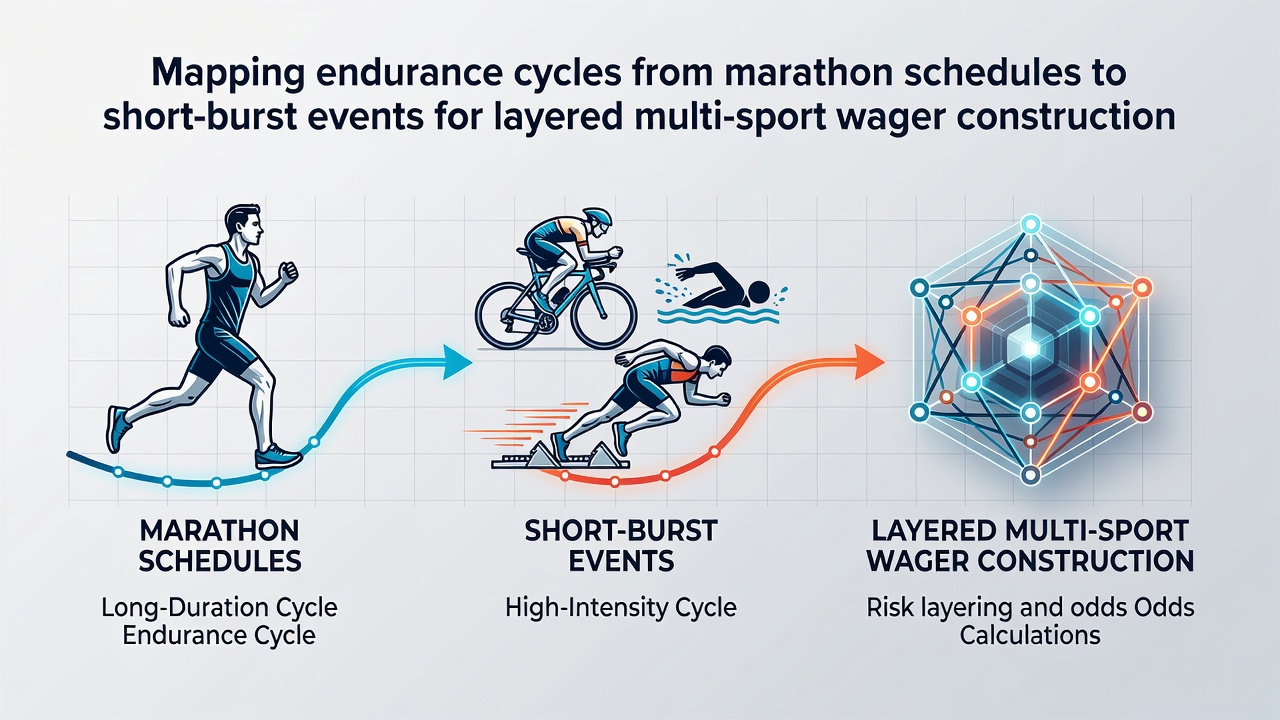
Endurance Cycle Mapping for Multi-Sport Wager Layering: From Marathons to Short Bursts
Endurance cycle mapping connects the extended preparation phases seen in marathon schedules with the rapid energy demands of short-burst events, and this alignment supports the construction of layered multi-sport wagers that combine different athletic timelines into single accumulator structures. Analysts examine training blocks lasting 16 to 20 weeks for marathon runners, then overlay those patterns onto schedules for events like 100-meter sprints or tennis tiebreaks where recovery intervals shrink dramatically. Data from athletic federations shows that peak endurance periods in long-distance events often coincide with tournament clusters in August 2026, including major track meets and multi-sport festivals scheduled across Europe and North America.
Understanding Base Endurance Patterns in Marathon Preparation
Marathon training follows structured cycles that build aerobic capacity through weekly mileage increases of 10 percent or less, followed by recovery weeks that prevent overtraining, while researchers at institutions like the University of Sydney have documented how these phases produce measurable drops in injury rates when followed consistently. Observers note that heart rate variability and lactate threshold improvements during base building periods create predictable windows of athlete stability, and these windows extend to betting models that factor in cumulative fatigue across multiple disciplines. Figures from the Australian Institute of Sport reveal correlations between long-run completion rates and subsequent performance consistency in mixed-event calendars, which bettors apply when layering selections from endurance-heavy and speed-focused markets.
Transitioning to Short-Burst Event Dynamics
Short-burst events demand explosive power output over seconds rather than hours, yet their scheduling often aligns with the taper phases of marathon cycles when athletes reduce volume to restore freshness. This overlap allows wager constructors to identify periods where endurance-trained competitors enter sprint or court-based competitions with elevated recovery metrics, and studies from the Canadian Sport Institute confirm that such transitions produce performance variances measurable through split-time analysis. Those who track these shifts incorporate variables like sleep duration and nutrition adjustments into accumulator frameworks, which connect marathon taper weeks to tennis match schedules or basketball back-to-back games in the same betting slip.
Layering Wagers Across Sport Categories
Layered multi-sport wagers combine selections from endurance-derived timelines with short-burst outcomes, and the process begins by aligning calendar entries so that a marathon taper week feeds into tennis tournament weeks or track sprint meets. Analysts cross-reference recovery data from one sport with injury reports from another, while external sources such as the International Olympic Committee training guidelines provide standardized benchmarks for load management across disciplines. One documented approach involves mapping a runner's 20-week build toward a major August 2026 marathon onto overlapping basketball playoff windows, where short-burst efforts like fast breaks mirror the final kick phases of distance races. Data indicates that such synchronization improves the identification of correlated outcomes without relying on single-sport assumptions.

Practical Application in Accumulator Construction
Construction of these layered bets requires sequential filtering of events where endurance peaks transition into explosive demands, and practitioners start by listing marathon race dates then overlaying short-burst fixtures within 72-hour recovery buffers. Research published through the European Athletic Association demonstrates that athletes maintaining consistent mileage blocks show reduced variance in subsequent speed events, a pattern applied when selecting accumulator legs that span running, court, and field disciplines. Those who apply the method examine historical performance logs from multiple federations to isolate months like August when global calendars cluster endurance and sprint competitions together, creating denser data sets for probability calculations.
Data Integration and Calendar Synchronization
Calendar synchronization pulls from public schedules published by world athletics bodies and national Olympic committees, which list both marathon majors and short-format tournaments in the same seasonal blocks. Integration tools combine GPS-tracked training loads from endurance athletes with match-duration statistics from basketball and tennis databases, and this combined dataset highlights periods when fatigue accumulation from one sport influences outcomes in another. Reports from the New Zealand Institute of Sport and Recreation indicate that cross-referencing these metrics yields tighter confidence intervals around multi-leg selections compared with isolated sport analysis alone.
Conclusion
Mapping endurance cycles from marathon schedules onto short-burst timelines supplies a structured method for assembling layered multi-sport wagers, and the approach relies on documented training phases, recovery metrics, and calendar overlaps rather than isolated event predictions. Organizations tracking athletic performance continue to release data that refines these connections, particularly around peak periods such as August 2026 when multiple disciplines converge. The resulting accumulator frameworks draw from verified patterns across endurance and explosive sports, supported by research from varied international institutes and federations.