Cross-Sport Data Patterns Reveal How Tennis and Basketball Models Refine Football Accumulator Decisions
Written by Frankie Hansen · Jul 2, 2026
Cross-Sport Data Patterns Reveal How Tennis and Basketball Models Refine Football Accumulator Decisions
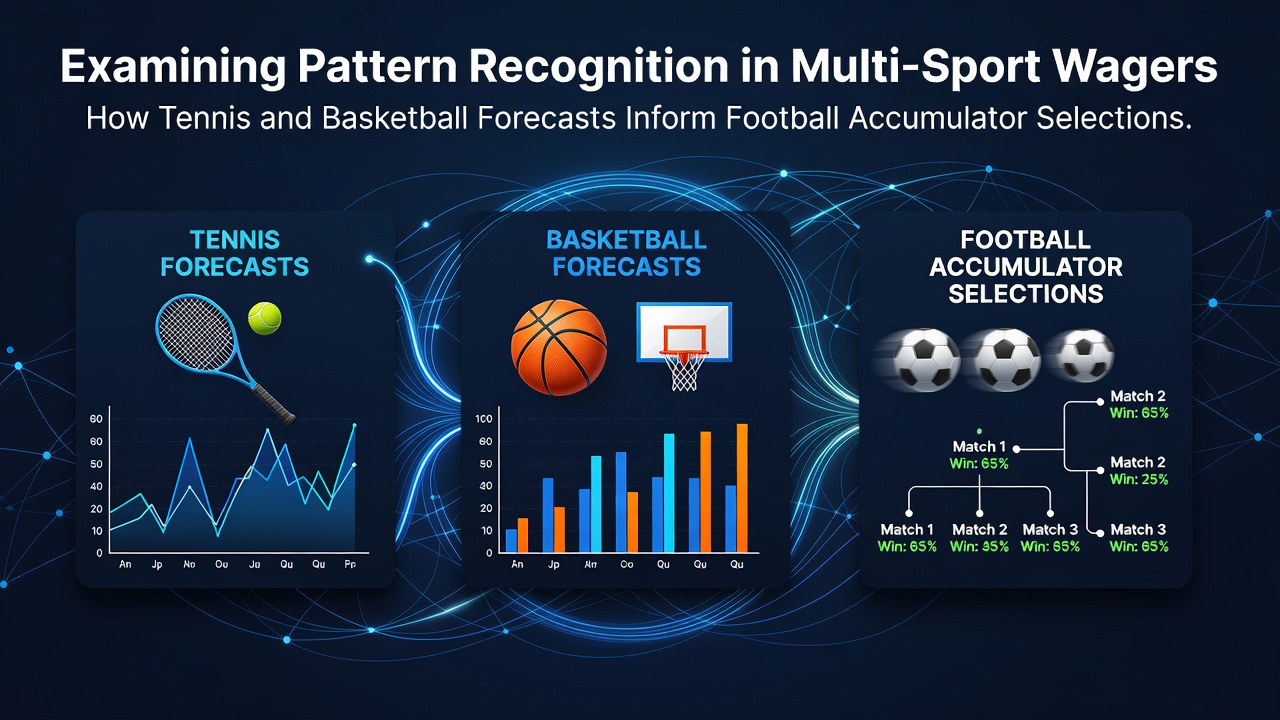
Analysts across betting research circles track how metrics from tennis and basketball translate into football accumulator selections, where serve hold percentages, rally lengths, and field goal efficiencies feed into probability models that adjust selections for combined football bets. Data from July 2026 tournaments shows these cross-sport transfers occurring most clearly when players examine historical correlations between individual sport outcomes and team scoring sequences in football matches.
Recognizing Overlaps in Performance Indicators
Researchers at several sports analytics institutions have documented how tennis first-serve win rates align with football clean sheet probabilities in accumulator builds, while basketball assist-to-turnover ratios map onto possession retention figures in European league fixtures. Observers note that these alignments surface when data sets from multiple seasons undergo cluster analysis, allowing forecasters to weight accumulator legs according to shared variance rather than isolated sport trends. The approach relies on statistical software that processes thousands of match logs, identifying clusters where high tennis serve percentages coincide with football teams posting low expected goals against.
Applying Basketball Shooting Efficiency to Football Scoring Sequences
Basketball three-point conversion rates from the previous season often correlate with football teams achieving higher expected goal tallies in home fixtures, according to studies compiled by North American sports data firms. Forecasters incorporate these figures when constructing accumulators that combine multiple football matches, adjusting stake distributions after reviewing how teams with strong transition offense in basketball translate to quick counter patterns on the pitch. In July 2026, several accumulator platforms updated their dashboards to include basketball efficiency filters that automatically recalculate combined odds when new league data arrives.

Integrating Tennis Break Point Data into Football Defensive Models
Break point conversion statistics from tennis grand slams provide another layer that accumulator builders apply to football defensive metrics, particularly when selecting legs involving under 2.5 goals. Data from the Australian Institute of Sport shows that players converting over 45 percent of break points in clay court events often mirror patterns seen in football sides maintaining structured defensive blocks during away games. Those constructing accumulators therefore review tennis break point logs alongside football expected goals conceded, refining selections without relying solely on league tables.
Building Probability Models Across Multiple Leagues
Pattern recognition software processes inputs from tennis ATP events, basketball EuroLeague fixtures, and football domestic competitions simultaneously, producing adjusted probability outputs for accumulator combinations. The Canadian Centre for Gaming Research published findings in early 2026 that demonstrated how multi-sport data fusion reduced variance in accumulator return projections by measurable margins compared with single-sport models. Operators in regulated markets then integrate these outputs into user dashboards, where bettors can toggle tennis or basketball filters to view updated combined odds.
Seasonal Adjustments During Mid-Year Competitions
July schedules feature overlapping tennis grass court tournaments, basketball off-season training metrics, and football pre-season friendlies, creating fresh data points for pattern analysis. Forecasters update accumulator frameworks by weighting recent tennis ace percentages against football set-piece conversion rates, while basketball pace statistics inform tempo expectations in opening league rounds. These adjustments occur through automated pipelines that pull from public match databases and feed results into accumulator builders used by operators outside the United Kingdom.
Conclusion
Cross-sport pattern recognition continues to shape accumulator construction by linking measurable indicators from tennis and basketball with football outcomes, supported by ongoing data releases from international research bodies and analytics platforms. The process relies on documented correlations rather than isolated observations, with models refined each season as new match logs become available.