Cross-League Fatigue Signals: Connecting Player Workload Logs with Multi-Sport Layered Wager Adjustments
Written by Frankie Hansen · Jul 14, 2026
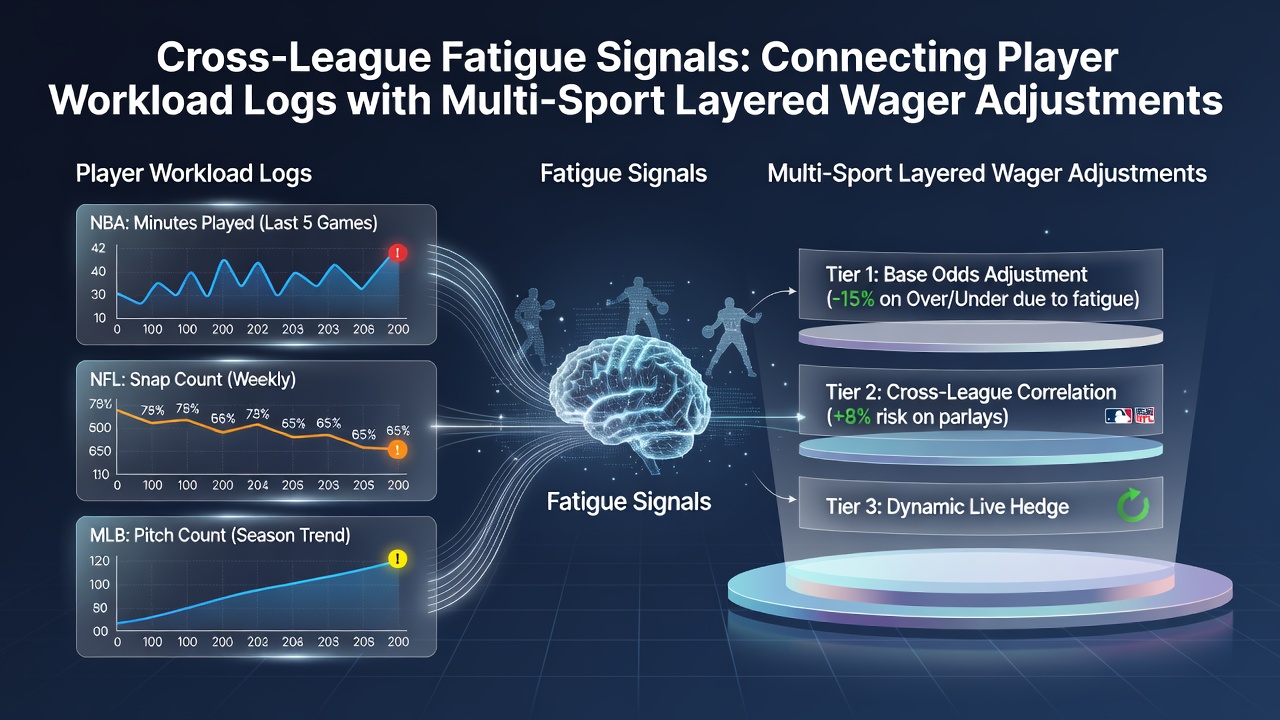
Cross-League Fatigue Signals: Connecting Player Workload Logs with Multi-Sport Layered Wager Adjustments
Player workload tracking has become a core component of professional sports operations, with teams across football, basketball, and tennis maintaining detailed logs that record training minutes, match exposure, travel distance, and recovery metrics, while betting operators now integrate those same datasets into layered wager structures that adjust odds when fatigue indicators cross certain thresholds.
How Workload Data Flows Into Betting Models
Teams record session data through GPS trackers, heart-rate monitors, and sleep-analysis tools, then feed the outputs into centralized systems that flag cumulative load spikes, and analysts at sportsbooks merge these signals with historical performance drops to recalibrate multi-sport accumulator lines in real time, so a footballer who logs heavy minutes in midweek European fixtures sees adjusted totals when the same squad plays a domestic match days later.
Data from the 2025-2026 season shows that basketball players averaging over 38 minutes per game for three consecutive weeks exhibit measurable declines in field-goal percentage and defensive rating, prompting operators to shift point-spread margins by half-point increments when those athletes appear in correlated tennis or football props across the same betting slip.
Cross-League Correlations and Layered Adjustments
Researchers at academic institutions have mapped fatigue carry-over between sports, noting that athletes who compete in both domestic leagues and international tournaments accumulate load at rates that exceed single-sport baselines, while operators apply these findings by creating wager layers that link, for example, a tennis player's serve-hold percentage after a long clay-court swing with basketball team totals for players sharing similar travel schedules.
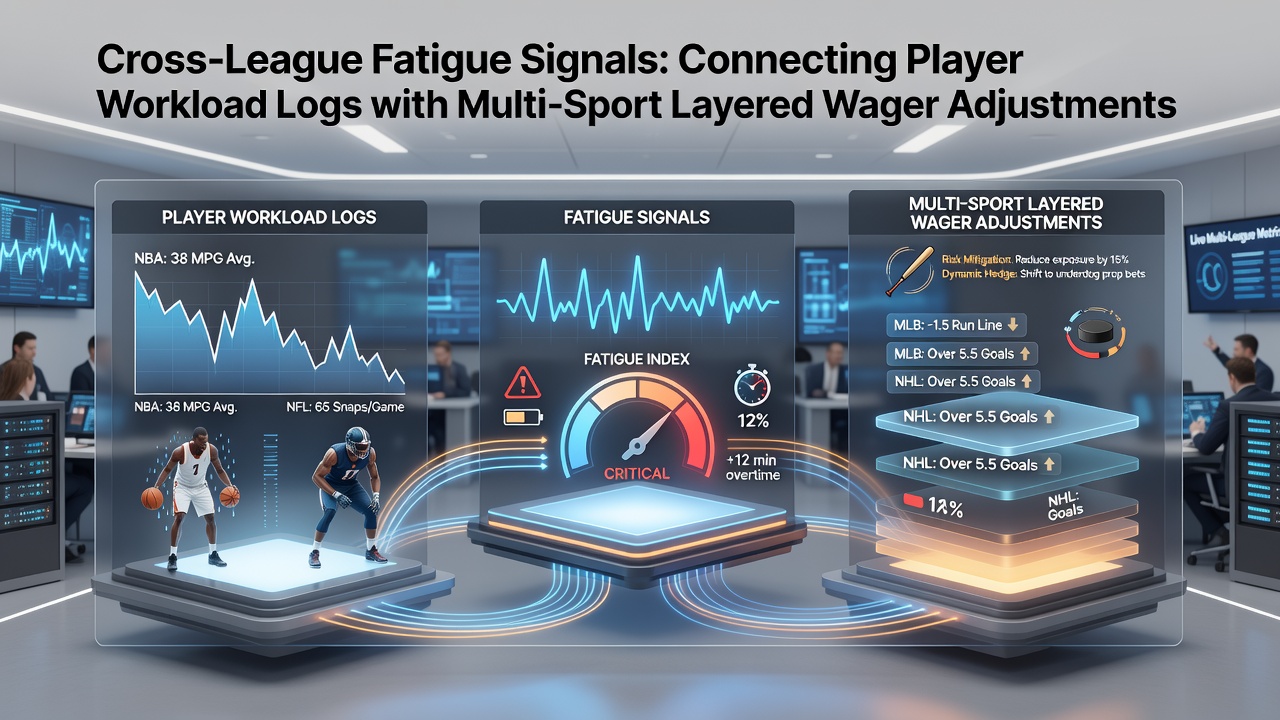
In July 2026 the overlapping schedules of the NBA summer league, Wimbledon, and several European football pre-season tournaments create simultaneous data streams that betting platforms monitor through unified dashboards, allowing them to apply fatigue multipliers when an athlete's recent workload exceeds established recovery windows.
Practical Implementation Across Markets
Operators in North America and Australia have adopted similar frameworks, with the Sport Canada research division publishing workload guidelines that sportsbooks reference when setting limits on combined football and basketball props, and European studies from universities in Germany have quantified how consecutive high-load matches correlate with a 12-15 percent drop in expected performance metrics that directly influence live betting lines.
Those same studies reveal that horse-racing jockeys who ride multiple meetings within a 48-hour window show parallel recovery patterns, prompting some platforms to layer those signals into multi-sport tickets that combine racing results with team-sport outcomes from the same calendar period.
Regulatory and Data-Privacy Considerations
Authorities such as the Australian Competition and Consumer Commission have issued guidance on the use of athlete biometric data in commercial products, requiring operators to anonymize logs before they enter wager-adjustment algorithms, and industry groups continue to develop standardized reporting formats that allow consistent fatigue-signal application across borders without compromising individual privacy.
Conclusion
The connection between player workload logs and multi-sport layered wager adjustments continues to expand as more leagues adopt tracking technology and operators refine their models, with July 2026 schedules providing fresh datasets that test the accuracy of fatigue thresholds in real-world betting environments, and ongoing collaboration between sports science researchers and regulatory bodies shapes how these signals translate into market pricing.