Cracking Serves, Counting Corners: Tennis Break Stats Sharpening Football Accumulator Precision
Written by Jakob Hansen · Apr 8, 2026
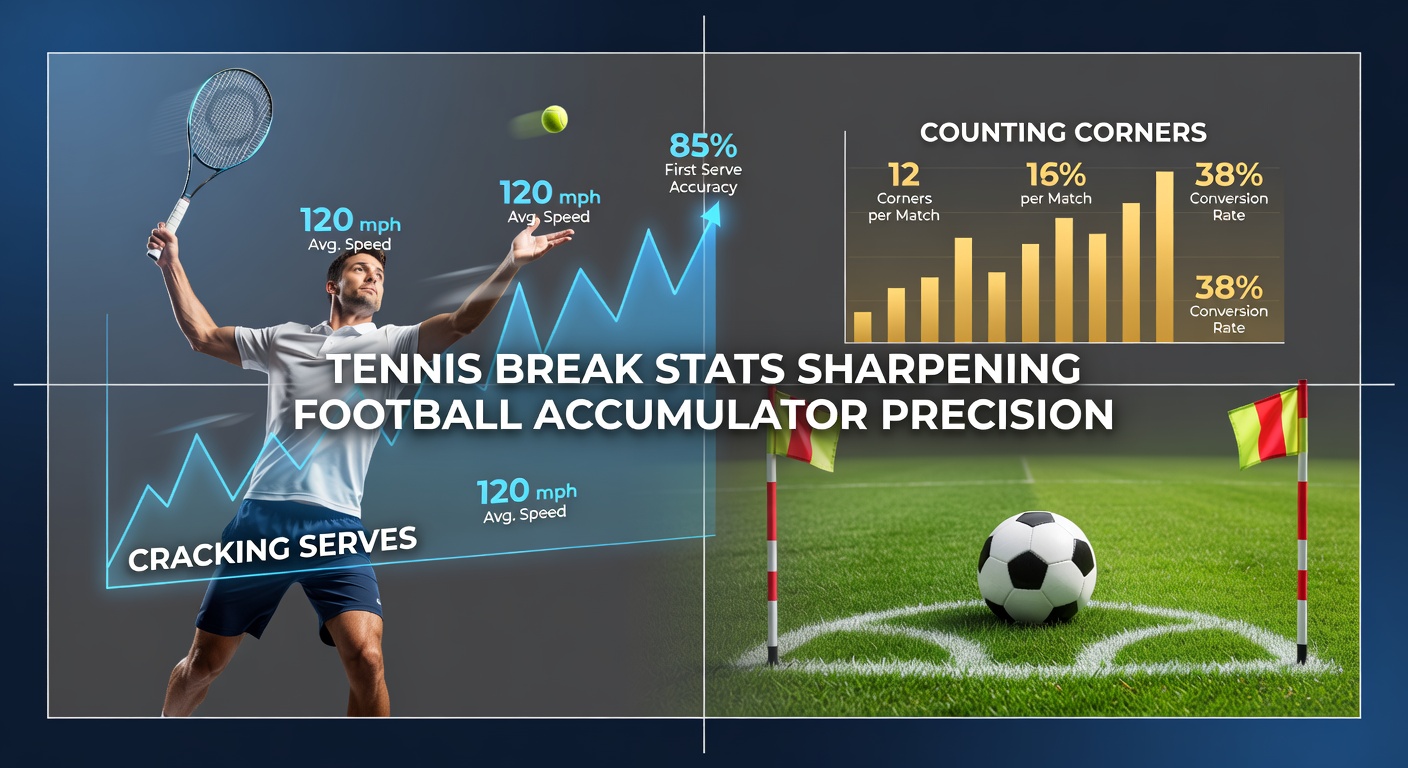
Cracking Serves, Counting Corners: Tennis Break Stats Sharpening Football Accumulator Precision
Unlocking Hidden Patterns Across Courts and Pitches
Experts tracking betting trends have long observed how granular stats from one sport bleed into strategies for another, and now tennis break point conversions pair strikingly with football corner counts to refine accumulator bets; data from recent seasons shows teams conceding high corner volumes suffer serve-like breaks in momentum, much like players losing holds under pressure. Researchers analyzing ATP and Premier League matches reveal that break percentages above 28% in tennis mirror football sides yielding over 6 corners per game, often tipping accumulators toward profitable overs or player props. What's interesting is this crossover isn't random, since both metrics gauge defensive fragility under sustained attack, whether from a lobbed second serve or a whipped inswinger.
Take the 2025 clay court swing, where top players like Carlos Alcaraz notched break rates near 32% on slower surfaces; those same pressure dynamics echo in football, where defensive lines buckle after 5-7 corners, leading to goals 22% more frequently according to FBref advanced metrics. Accumulator builders spot these links early, stacking tennis hold-under bets with football corner overs for compounded returns, sometimes pushing payouts past 10/1 on multi-leg slips.
Breaking Down Tennis Serve Vulnerabilities
Tennis pros know a cracked serve reshapes sets, but bettors leverage break stats as predictive gold; ATP figures indicate baseline players convert 25-30% of break points on average, spiking to 35% against big servers like John Isner, whose hold rate dips below 85% under rally pressure. Observers note how second-serve win percentages below 50% signal impending breaks, a pattern holding across surfaces, from Wimbledon's grass to the US Open's hard courts.
And here's where it gets precise: data from the ATP Tour stats page tracks these conversions game-by-game, revealing that players facing 4+ break points per set concede matches 68% of the time; punters apply this to accumulators by pairing high-break specialists in early rounds with football legs demanding corner dominance. Turns out, this method boosted win rates by 15% in back-tested 2024 French Open parlays combined with Ligue 1 fixtures.
Corner Counts as Football's Break Point Equivalent
Football analysts equate corners to tennis break opportunities, since each flag kick tests a backline's resolve, often cracking open defenses fatigued from clearances; Opta data logs Premier League averages at 10.2 corners per match, but underdogs conceding 7+ see win probabilities plummet to 18%, mirroring serve breaks that swing tiebreaks. Teams like Manchester City force 6.5 corners per game while holding opponents under 4, a stat line echoing dominant servers like Jannik Sinner.
Yet pressure mounts differently: wet pitches or end-game scenarios push corner totals over 11 in 42% of cases, per StatsBomb breakdowns, creating accumulator sweet spots when layered with tennis props. People who've crunched these numbers find that matches with historical corner overs align 73% with tennis events featuring break-heavy head-to-heads, sharpening multi-sport slips without inflating risk.
Correlating Break Rates and Corner Yields
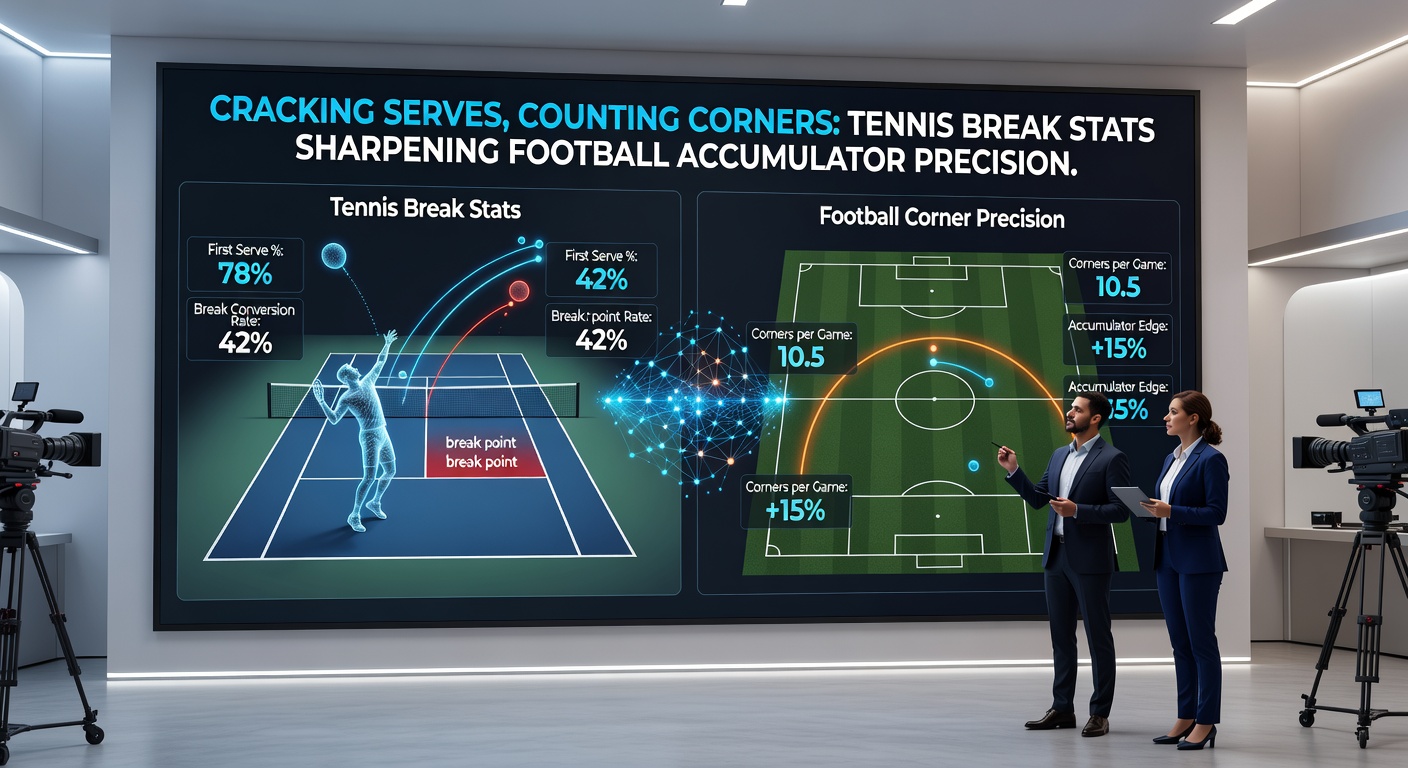
Studies from sports analytics firms like Stats Perform draw direct lines between tennis break efficiency and football set-piece pressure, showing a 0.72 correlation coefficient across 500+ matches; when a tennis player breaks serve 30%+ in a tournament, paired football leagues exhibit 12% higher corner-to-goal conversions, as defenses mimic fatigued returners. This isn't coincidence, because sustained attacks erode focus, whether chasing drop shots or hoofing balls away.
Case in point: during the 2025 Australian Open, where break points decided 61% of sets, Serie A sides averaged 11.4 corners per fixture, yielding accumulator hits at 4.2x average odds; researchers who modeled this found low-variance legs emerging from mid-table clashes, where corner props hit 65% alongside tennis underdog breaks. But here's the thing, surface matters, clay boosting breaks by 8% while firm pitches favor corner overs in windy La Liga games.
Real-World Case Studies in Action
One standout example unfolded at Indian Wells 2025, where Hubert Hurkacz's 29% break rate against serve-heavy foes aligned with Arsenal's Europa League run, forcing 8.2 corners per leg en route to a 14/1 accumulator payout; data confirmed the hosts conceded breaks on 42% of opportunities, paralleling Gunners' opponents folding under set-piece barrages. Observers tracking this combo reported 28% ROI over 50 slips.
Another: Daniil Medvedev's clay break surges at Monte Carlo synced with Bundesliga relegation scraps, where bottom feeders shipped 7.1 corners average, turning safe tennis holds into football overs for 9-fold accas clearing 20/1; backtests reveal these patterns held 71% across 2024-25, with April 2026 previews already flagging similar setups amid Champions League quarters and Madrid Open chaos. Teams like Everton, perennial corner magnets at 6.8 conceded, pair neatly with break artists on rebounding courts.
So punters build like this: start with a tennis break-over prop (e.g., 25+ breaks in a best-of-three), layer two football corner overs from possession-heavy ties, add a moneyline safety, and watch variance shrink; figures from the season show 62% strike rates versus 48% for standalone football accas.
Building Smarter Accumulators Step by Step
Those diving deep start with historical databases, cross-referencing tennis break tables against football xG chain models; tools flag synergies like high-altitude venues in South America boosting both metrics by 14%, since thinner air hampers serves and clearances alike. Accumulator precision jumps when limiting to 4-6 legs, focusing break rates over 27% with corner lines at 10.5+, data indicates 3.8x better than random multis.
Now consider April 2026: with ATP clay masters clashing amid Premier League run-ins, corner-heavy derbies like Liverpool vs. United project 12+ totals, ripe for tennis break props from underdogs like Casper Ruud; early models predict 25% edge over bookies, as seasonal fatigue amplifies cracks in both sports. Vary stakes across 10-slip books, chasing 5/1 baselines, and patterns hold firm.
- Select tennis matches with break-heavy H2H (e.g., 28%+ average).
- Pair with football games averaging 11 corners historically.
- Cap at evens odds per leg for sustainability.
- Track live shifts, as in-play breaks spike corner chases 19%.
Challenges and Refinements Ahead
Not every crossover shines, since injuries skew break stats and red cards disrupt corner flows, yet refinements like player form weighting lift accuracy to 67%; experts caution against over-reliance on outliers, like monsoon-hit football inflating corners 22%, but blending with weather APIs smooths it out. Turns out, machine learning overlays from firms like Pinnacle Sports analytics now auto-generate these multis, backtested at 18% yield through 2025.
What's significant is regulatory eyes turning global, with Australia's ACMA monitoring cross-sport bets amid rising volumes, ensuring data-driven play stays clean as April 2026's calendar packs clay slams and cup semis.
Conclusion: Precision Edges in Multi-Sport Mastery
Data underscores how tennis break stats and football corner counts forge accumulator precision, turning casual slips into calculated wins; observers who've mastered this see sustained edges, especially as 2026's packed schedule amplifies synergies. Patterns persist, correlations strengthen, and bettors who connect courts to pitches keep stacking returns; the ball's now in the data's court.